
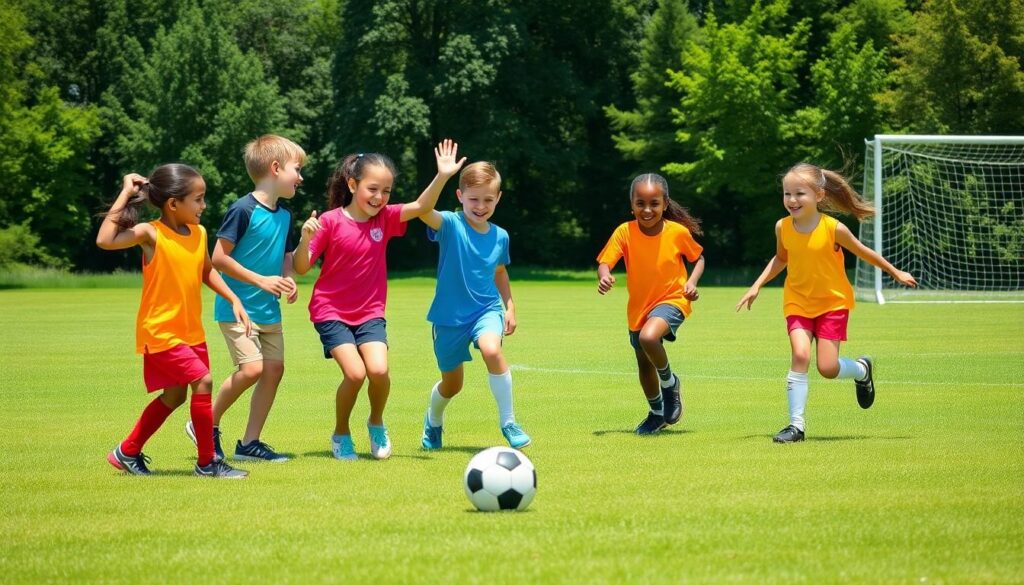
Choosing the right sport for kids can feel like picking the perfect ice cream flavor—overwhelming but oh-so-rewarding! With so many options out there, it’s essential to find a sport that not only keeps them active but also ignites their passion. After all, who wouldn’t want their little ones to channel their inner superstar while making friends and learning valuable life skills?
Benefits Of Sports For Kids
Participating in sports offers numerous advantages for children, promoting both physical and mental health. Engaging in athletic activities shapes a well-rounded experience that fosters growth.
Physical Health
Regular exercise through sports enhances cardiovascular health. Children who participate in sports exhibit stronger muscles and bones, reducing the risk of obesity. They also develop coordination, balance, and flexibility, essential for overall physical development. Active kids often enjoy improved sleep patterns, boosting energy levels throughout the day. Involvement in sports encourages a lifelong commitment to health, establishing habits beneficial for adulthood.
Mental Well-being
Playing sports supports emotional resilience and confidence in children. Exposure to teamwork fosters social skills and strong relationships. Additionally, children learn how to handle successes and failures, building crucial coping mechanisms. Sports participation often leads to lower levels of stress and anxiety, promoting a positive outlook. Research shows that active children tend to perform better academically, as physical activity enhances concentration and cognitive function.
Popular Sports For Kids
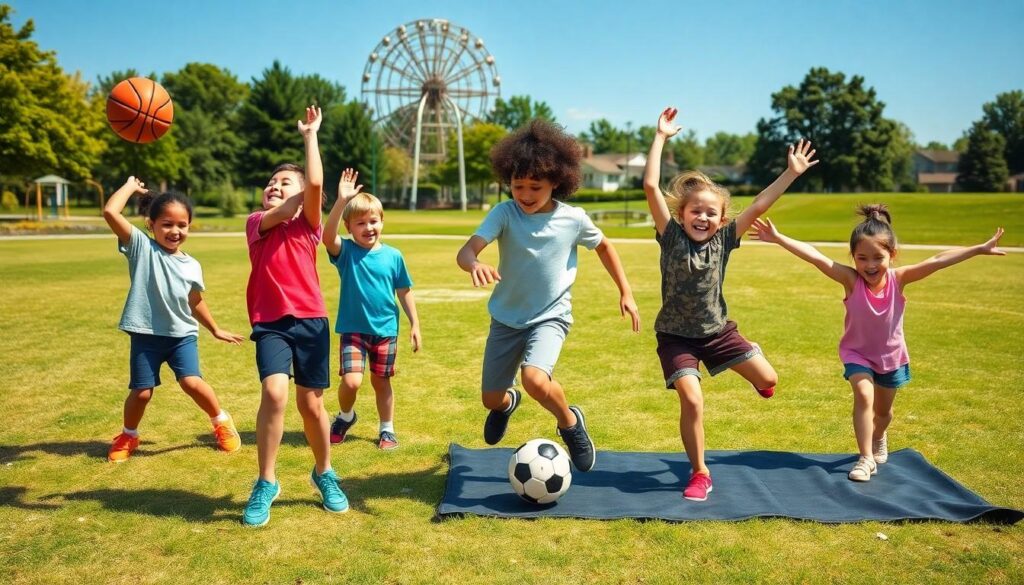
Various sports cater to children’s interests and abilities, making it easier for families to find the right fit. Engaging in different sports provides numerous benefits, including physical fitness and social development.
Team Sports
Team sports foster communication and collaboration among participants. Basketball encourages teamwork, quick thinking, and strategy development. Soccer helps improve coordination and promotes a sense of community. Baseball teaches patience and discipline, while football builds camaraderie and physical resilience. Each sport cultivates diverse skills that benefit children both on and off the field.
Individual Sports
Individual sports allow kids to focus on personal growth and self-discipline. Swimming enhances cardiovascular health and builds stamina. Gymnastics develops flexibility, strength, and coordination. Track and field events promote endurance and goal-setting skills, while martial arts teach respect and self-control. These sports provide children with opportunities to challenge themselves, fostering independence and confidence.
Factors To Consider
Selecting the right sport for kids involves careful consideration of several factors. Understanding these factors ensures that children find a sport that suits their needs and interests.
Age Appropriateness
Choosing sports based on age plays a crucial role in ensuring safety and enjoyment. Younger children benefit from sports that enhance fundamental motor skills. Activities like soccer or T-ball cater to the needs of children aged 5 to 7. As kids grow older, typically around 8 to 12 years, they can handle more complex sports requiring teamwork and strategy, such as basketball or football. Parents should also consider the physical demands of each sport, ensuring that the activity aligns with the child’s physical development stage. Age-appropriate sports encourage participation while minimizing frustration and injuries.
Interest And Passion
Interest in a sport significantly impacts a child’s enthusiasm and commitment. Encouraging kids to explore various sports helps them discover what truly excites them. Observing sports that capture their attention can guide the decision-making process. Passion often drives engagement, leading to increased focus and perseverance, which are vital skills for personal growth. Kids engaged in sports they enjoy tend to form stronger social connections and develop healthier habits. Keeping an open dialogue about their preferences ensures that children remain motivated and invested in their chosen activities.
How To Get Started
Starting sports can be an exciting journey for kids. Parents can play a crucial role in guiding their children through selection and participation.
Finding Local Programs
Explore community centers and local gyms for sports programs. Many schools offer after-school sports activities, making them convenient choices. Online resources, such as community boards and social media groups, provide additional options for finding programs. Parents should look for age-appropriate leagues that focus on skill development rather than competition. Involvement in sports should emphasize fun, fostering a positive atmosphere for kids.
Encouraging Participation
Parents can encourage kids to try multiple sports to identify their interests. Supportive conversations around sports choices create a space for open discussion. Regular participation enhances physical fitness and builds social skills. Parents must celebrate successes, big or small, to boost a child’s confidence. Flexibility in scheduling promotes consistent attendance, helping kids stay engaged. Emphasizing the joy of teamwork and personal achievement will instill a lifelong love for sports.
Conclusion
Choosing the right sport for kids can lead to a fulfilling and enriching experience. It’s essential for parents to consider their child’s interests and developmental stage when making this decision. The right sport not only promotes physical health but also nurtures emotional resilience and social skills.
Encouraging children to explore various sports helps them find what truly excites them. This exploration fosters friendships and builds confidence. By supporting their journey in sports parents can instill a passion for physical activity that lasts a lifetime. Engaging in sports lays the foundation for a healthy lifestyle and personal growth, making it a rewarding investment in their future.