
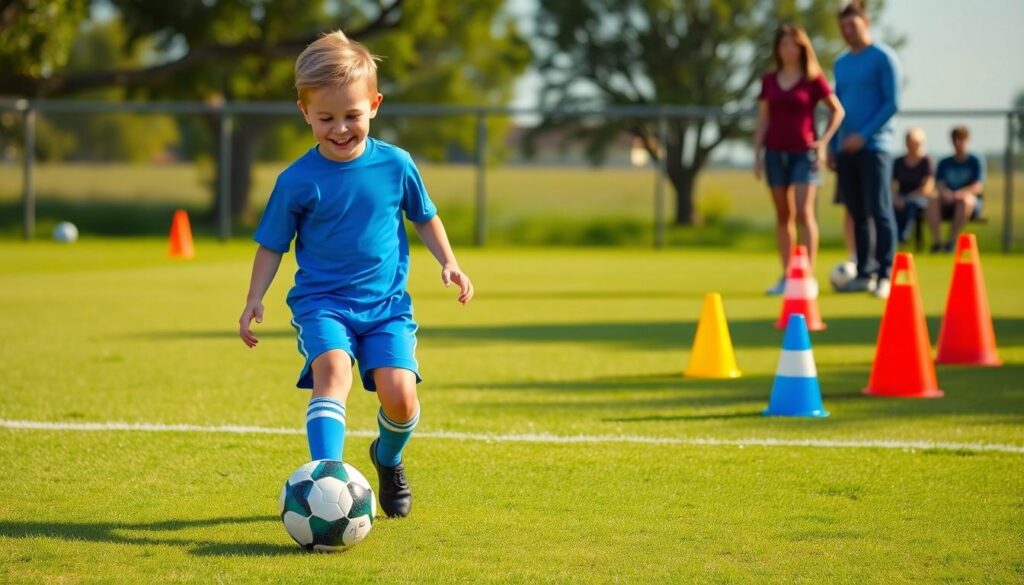
Getting kids excited about sports isn’t just about convincing them to put down their screens – it’s about equipping them with the right gear to make physical activity fun and safe. From tiny cleats to pint-sized helmets every young athlete needs proper equipment that fits their size and skill level.
Parents often feel overwhelmed when navigating the vast world of youth sports equipment. With countless options available for each sport and varying quality levels it’s crucial to understand what gear actually matters for a child’s development and safety. The good news? Investing in the right equipment doesn’t mean breaking the bank – it means making smart choices that’ll keep kids engaged protected and ready to play.
Choosing the Right Size and Fit for Kids’ Sports Gear
Proper sizing of sports equipment enhances performance safety while preventing potential injuries. Selecting gear that accommodates a child’s current measurements ensures optimal protection during physical activities.
Age-Appropriate Equipment Guidelines
Sports equipment manufacturers design gear according to specific age ranges based on average physical development metrics. Children ages 4-6 require smaller equipment sizes, such as 22-24 inch baseball bats or size 3 soccer balls. Ages 7-9 need medium-sized gear including 25-27 inch tennis rackets or size 4 basketballs. Ages 10-12 transition to junior versions of adult equipment like 60-inch hockey sticks or size 5 footballs.
| Age Group | Baseball Bat | Soccer Ball | Basketball |
|---|---|---|---|
| 4-6 years | 22-24 inch | Size 3 | Size 5 |
| 7-9 years | 25-27 inch | Size 4 | Size 6 |
| 10-12 years | 28-30 inch | Size 5 | Size 7 |
Growth and Adjustability Considerations
Adjustable sports equipment accommodates rapid growth phases while maintaining proper fit. Key adjustable features include:
- Velcro straps on protective gear like knee pads shin guards
- Expandable helmet padding systems with removable inserts
- Telescoping handles on equipment like lacrosse sticks tennis rackets
- Multi-position clips on items such as ski boots roller skates
- Elastic components in protective wear including chest protectors compression sleeves
Equipment with 2-3 inches of growth allowance provides 6-12 months of proper fit. Checking equipment fit every 3-4 months ensures continued effectiveness safety performance.
Essential Safety Equipment for Young Athletes
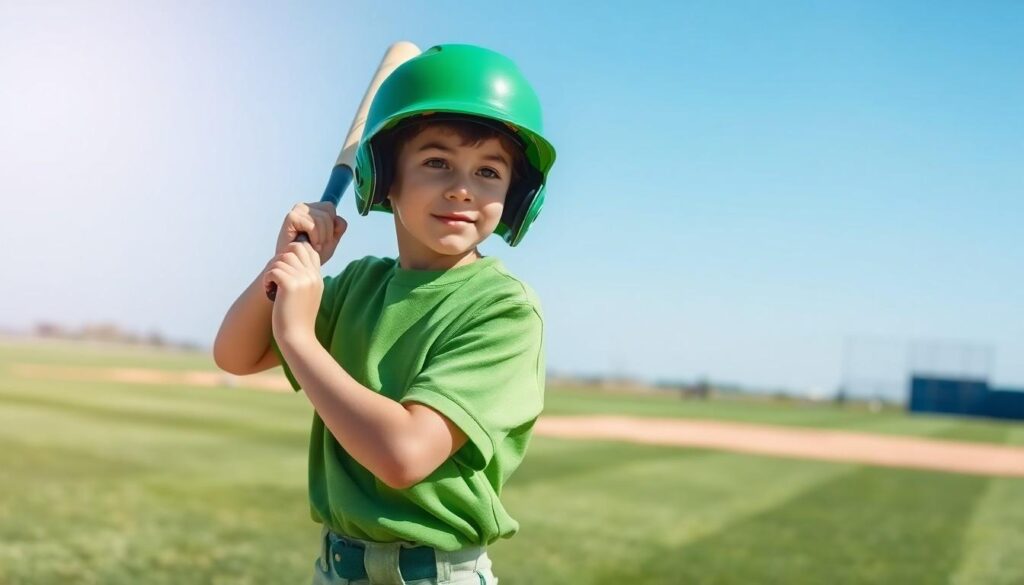
Protective equipment acts as the primary defense against sports-related injuries in young athletes. The right safety gear enables children to participate confidently in their chosen activities while minimizing injury risks.
Protective Gear Basics
A properly fitted helmet provides critical head protection during impact sports like baseball cycling hockey. Face guards attach securely to helmets protecting against facial injuries from flying objects balls. Mouthguards cushion teeth jaws from direct hits reducing dental injury risks by 60%. Athletic cups offer protection for male athletes during contact sports like football wrestling baseball. Protective eyewear with shatterproof lenses safeguards vision during fast-paced activities racquet sports. Padding includes knee elbow wrist guards absorbing shock from falls impacts during skateboarding inline skating basketball.
Sport-Specific Safety Equipment
Baseball requires batting helmets chest protectors shin guards for catchers. Soccer players need shin guards cleats with appropriate stud length for field conditions. Basketball demands ankle supports non marking court shoes with proper cushioning. Football equipment includes shoulder pads hip pads thigh knee pads certified helmets. Hockey players utilize shin guards elbow pads chest protectors neck guards helmets with cages. Lacrosse equipment features arm guards shoulder pads gloves helmets with full face protection. Each piece meets specific safety standards established by governing sports organizations ensuring maximum protection during play.
| Sport | Essential Safety Equipment | Protection Level |
|---|---|---|
| Baseball | Batting Helmet, Face Guard | High Impact |
| Soccer | Shin Guards, Ankle Support | Medium Impact |
| Football | Full Padding, Helmet | Maximum Impact |
| Hockey | Full Body Protection | High Impact |
| Basketball | Ankle Support, Mouthguard | Low-Medium Impact |
Most Popular Sports Equipment for Different Age Groups
Sports equipment requirements evolve as children grow through developmental stages. Each age group needs specific gear that matches their physical abilities and skill levels.
Equipment for Ages 3-7
Young athletes aged 3-7 benefit from lightweight equipment designed for basic motor skill development. Foam balls measuring 6-8 inches in diameter enhance hand-eye coordination without risking injury. Plastic baseball bats weighing 8-12 ounces allow proper swing mechanics. Mini basketball hoops standing 4-6 feet tall create achievable goals for small players. Velcro catch sets develop throwing accuracy with soft projectiles. Soccer balls sized at #3 (23-24 inches circumference) match smaller foot sizes. Adjustable roller skates accommodate rapid foot growth between sizes 6-13 in children’s sizing.
Equipment for Ages 8-12
Children aged 8-12 transition to intermediate equipment that supports advanced skill development. Youth baseball bats measuring 27-30 inches with -10 to -12 drop weights optimize swing control. Basketball size #5 (27.5 inches circumference) enhances shooting form. Soccer balls sized #4 (25-26 inches circumference) improve passing accuracy. Junior tennis racquets spanning 23-25 inches match growing arm lengths. Properly fitted baseball gloves measuring 10.5-11.5 inches support fielding skills. Hockey sticks cut to hip height enable proper puck control.
Equipment for Teens
Teenage athletes use near adult sized equipment to refine competitive skills. Full-size basketballs (29.5 inches circumference) prepare players for regulation play. Baseball bats measuring 31-34 inches with -3 drop weights match increased strength levels. Soccer balls sized #5 (27-28 inches circumference) meet official game requirements. Adult tennis racquets spanning 27-29 inches support power generation. Football equipment includes regulation size balls intermediate shoulder pads protective cups. Lacrosse sticks measuring 40-42 inches optimize shooting range control.
Budget-Friendly Sports Gear Options
Sports equipment costs add up quickly for growing children. Smart shopping strategies help parents balance quality gear with affordability.
When to Invest vs When to Save
Premium gear investment focuses on protective equipment that safeguards against injuries. High-quality helmets, mouthguards, cleats with proper ankle support, and sport-specific protective padding deserve higher spending allocation. Parents save money on items with shorter lifespans or minimal safety impact:
- Practice equipment: Purchase basic balls, training cones, jump ropes
- Seasonal items: Select mid-range options for single-season sports
- Starter gear: Choose entry-level equipment for new sports exploration
- Growth-prone items: Buy affordable options for rapidly outgrown items like jerseys shorts gloves
| Equipment Type | Investment Priority | Replacement Frequency |
|---|---|---|
| Safety Gear | High ($50-150) | 1-2 years |
| Practice Items | Low ($10-30) | 6-12 months |
| Uniforms | Medium ($20-50) | Every season |
Where to Find Quality Used Equipment
Local sports resale shops offer certified pre-owned equipment at 40-60% below retail prices. Additional reliable sources include:
- Sports equipment swap events at community centers schools
- Online marketplaces featuring authenticated used gear
- Seasonal clearance sales at sporting goods retailers
- Team equipment exchanges through local sports leagues
- Consignment stores specializing in youth athletics
| Source | Average Savings | Quality Assurance |
|---|---|---|
| Resale Shops | 50% off retail | Staff inspection |
| Sport Swaps | 60% off retail | Parent verified |
| Online Markets | 45% off retail | Buyer ratings |
Every piece requires inspection for wear damage missing parts before purchase. Equipment purchased through authorized resellers includes quality guarantees safety certifications.
Maintaining and Caring for Kids’ Sports Equipment
Proper maintenance extends the lifespan of sports equipment while ensuring optimal performance and safety. Regular care routines protect the investment in children’s sports gear and maintain its protective qualities.
Cleaning and Storage Tips
Sports equipment requires specific cleaning methods based on material composition. Hard plastic items like helmets need disinfectant wipes after each use to eliminate bacteria. Fabric items such as jerseys mesh bags require washing in cold water with mild detergent. Leather equipment like baseball gloves benefits from specialized leather cleaners applied monthly.
Store equipment in a dry ventilated space away from direct sunlight or extreme temperatures. Use designated storage solutions:
- Mesh bags for wet items like swimsuits goggles
- Wall hooks for bats rackets skates
- Cubby systems for balls protective gear
- Breathable bags for uniforms padding
- Climate controlled areas for leather items
When to Replace Worn Items
Equipment replacement timing varies by usage frequency material condition:
| Equipment Type | Replace When | Average Lifespan |
|---|---|---|
| Helmets | Cracks visible | 2-3 seasons |
| Cleats/Shoes | Sole wear | 6-12 months |
| Protective Pads | Padding compressed | 1-2 seasons |
| Balls | Surface damaged | 1 season |
| Bats/Rackets | Dents cracks | 2-3 seasons |
- Loose stitching on uniforms protective gear
- Cracked or damaged protective shells
- Compressed or missing padding
- Worn grip surfaces handles
- Frayed straps fasteners
Conclusion
Equipping kids with the right sports gear plays a vital role in their athletic journey. Parents can make informed decisions by focusing on proper sizing age-appropriate equipment and essential safety gear while being mindful of their budget.
Regular maintenance checks and timely replacements ensure that children’s sports equipment remains safe and effective. By following sizing guidelines investing in quality protective gear and implementing proper care routines parents can create an environment where their young athletes thrive.
Remember that the right equipment not only protects but also empowers children to explore and excel in their chosen sports activities with confidence and enthusiasm.